In-Person Training • Emergency Procedures • SIGO Certification

Building
Evacuation Course

In an emergency, panic and disorganisation are the greatest enemies. We equip your team and employees with clear procedures for leaving the premises, ensuring smooth escape routes and full protection of lives.

Evacuation Training
Safety in Emergency Situations

The Building Evacuation Course (4 hours) aims to equip participants to act correctly, methodically, safely and in a perfectly organised way in critical situations that require the immediate precautionary evacuation of the facility.

This in-person training is a cornerstone for mitigating mass panic, preventing accidents on stairs or at exits and protecting the organisation's assets, while ensuring full compliance with the legal obligations of Fire Safety in Buildings (SCIE).

Operational Organisation and Target Audience

In-Person Format

100% in-person training with a strong tactical component, including simulated inspections of the actual evacuation routes in your building.

Efficient Duration

A concentrated module lasting 4 hours, seamlessly combining technical background in the classroom with operational simulations on site.

Target Audience

Designed for all workers, permanent first-response teams, Documentation Managers and operational Safety Delegates.

Guided Simulations

Methodical on-site training focused on leading groups, keeping emergency exits clear and managing emotions under stress.

Support for Reduced Mobility

Specialist instruction in practical techniques and procedures for rescuing participants or visitors with mobility or visual impairments.

Official SIGO Certification

Immediate legal validation of the training through registration on the government SIGO platform, ensuring compliance for inspections and audits.
Structured Course Content

1. Legal Framework for Building Evacuation

Regulatory analysis applied to the Portuguese SCIE regime. Corporate obligations, legal penalties and the responsibilities of the internal safety structure.

2. Human Behaviour in Emergency Situations

Crowd psychology in crisis scenarios. A study of the dynamics of fear and mass panic, and assertive communication techniques for leading groups.

3. Identifying and Assessing Escape Routes

Accurate reading and interpretation of emergency floor plans, tactical clearing of routes and compliant photoluminescent signage.

4. Correct Use of Emergency Exits and Technical Equipment

Operating panic bars, fire doors and passive smoke ventilation systems, and keeping emergency lighting working.

5. Phased Evacuation Procedures and Organisation

Methods for evacuating by zone or floor, controlling bottlenecks on stairways and strict rules against using lifts.

6. Team Roles, Reduced Mobility and Assembly Point

Organising route guides and sweepers. Tactile techniques for assisting people with limited mobility and final headcount routines at the Assembly Point.

The platform for all your SCIE management

All your safety management
in a single system.

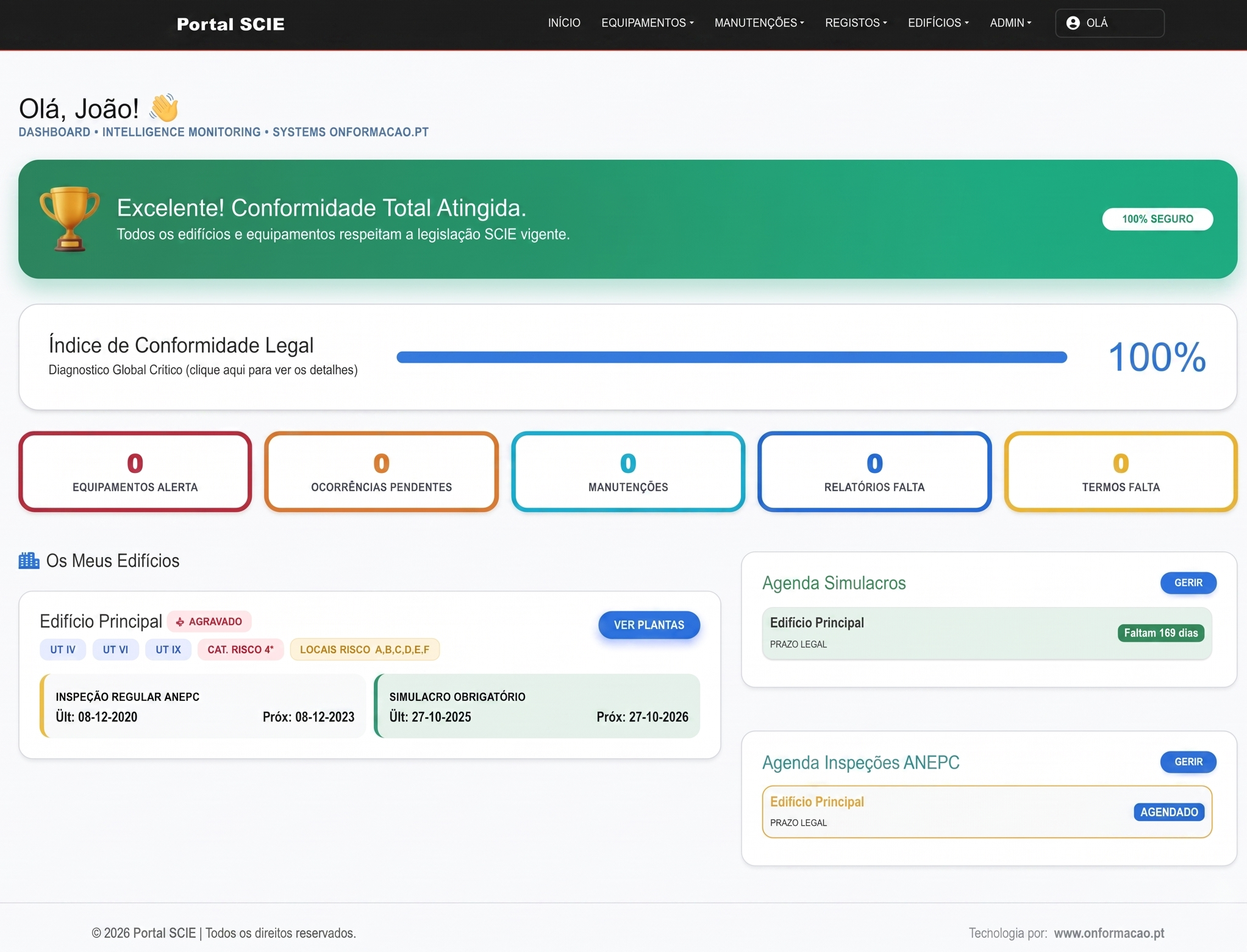
Replace paper binders with a 100% digital platform. The SCIE Portal centralises the up-to-date list of your Evacuation Teams, scheduling of mandatory emergency drills, visual signage and automatic alerts for inspection deadlines in an intuitive, error-proof environment. Exclusively for companies.

No more scattered Excel spreadsheets.

Compliance,
Every Day,
Made Simple.

Don't wait for a technical surprise during an evacuation or an ANEPC inspection. Our intuitive dashboard monitors your teams and routes to the second.

  • Level 100 Goal: Keep your evacuation team lists 100% complete and valid.
  • Zero Documentation Gaps: Instant alerts for missing updates to the signage plan or blocked routes.
  • Smart Schedule: The system automatically calculates the days remaining until the next mandatory evacuation drill.
SCIE Portal dashboard

Need Other Complementary Services for Your Company?

OnFormação offers integrated technical solutions to ensure full compliance with the legislation applicable to Occupational Health and Safety and Fire Risk.

Contact Our Technical Team